
01 Digestion and bowel function
Some microbes help break down food components the body cannot digest on its own, such as dietary fibre, and produce metabolites that shape the environment inside the gut.
The gut microbiome is part of the body's internal ecosystem — the microbes and their genetic material living in the digestive tract. It is linked to digestion, metabolism, the immune system and communication between the gut and the brain.
Gut microbiome testing gives data on the make-up and diversity of the microbes in the sample tested, which can be considered with other health data to understand factors that may relate to each person's health.
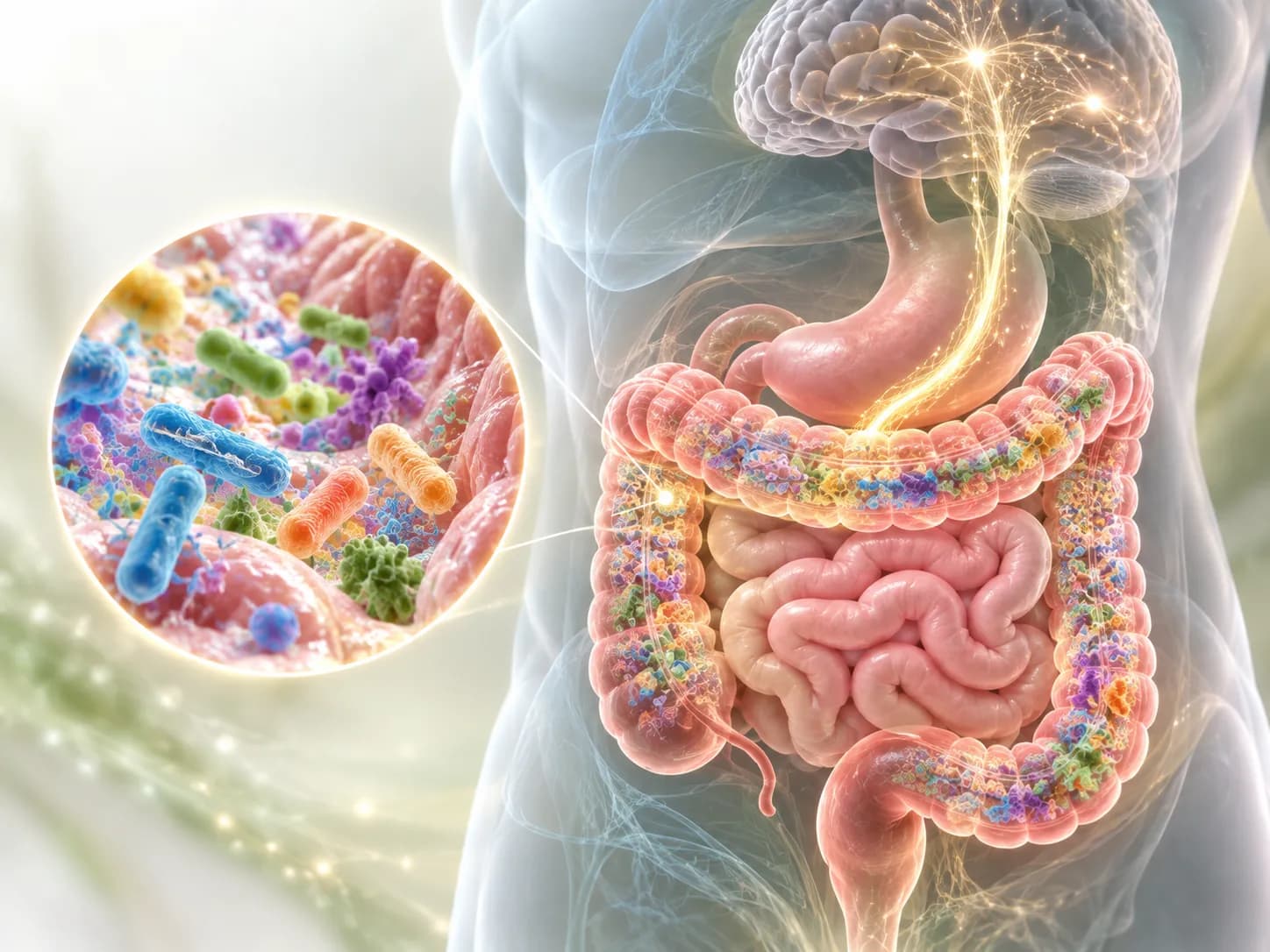
Gut microbes do more than help digest food — they are involved in many body systems.
Some microbes help break down food components the body cannot digest on its own, such as dietary fibre, and produce metabolites that shape the environment inside the gut.
Gut microbes are linked to the development and function of the immune system, including the regulation of inflammation in the body.
The make-up of the microbiome may be related to energy use, nutrient metabolism and certain metabolic processes.
Microbes and the substances they produce are involved in communication between the gut and the brain — the Gut–Brain Axis — a topic of ongoing interest in neuroscience research.
Shows the types and relative proportions of certain microbial groups found in the sample, depending on the technology and reference database used.
Estimates the diversity of microbes in the sample, one of the indicators used to study microbial ecosystems. Higher or lower diversity does not always mean better or worse health.
Microbial data is considered together with bowel habits, digestive symptoms and eating behaviour.
Supports discussion of eating patterns, dietary fibre and nutritional factors — results alone are not used to prescribe foods or supplements for an individual.
Supporting data for understanding the relationship between gut microbes and the nervous system, which is still an area of ongoing research.
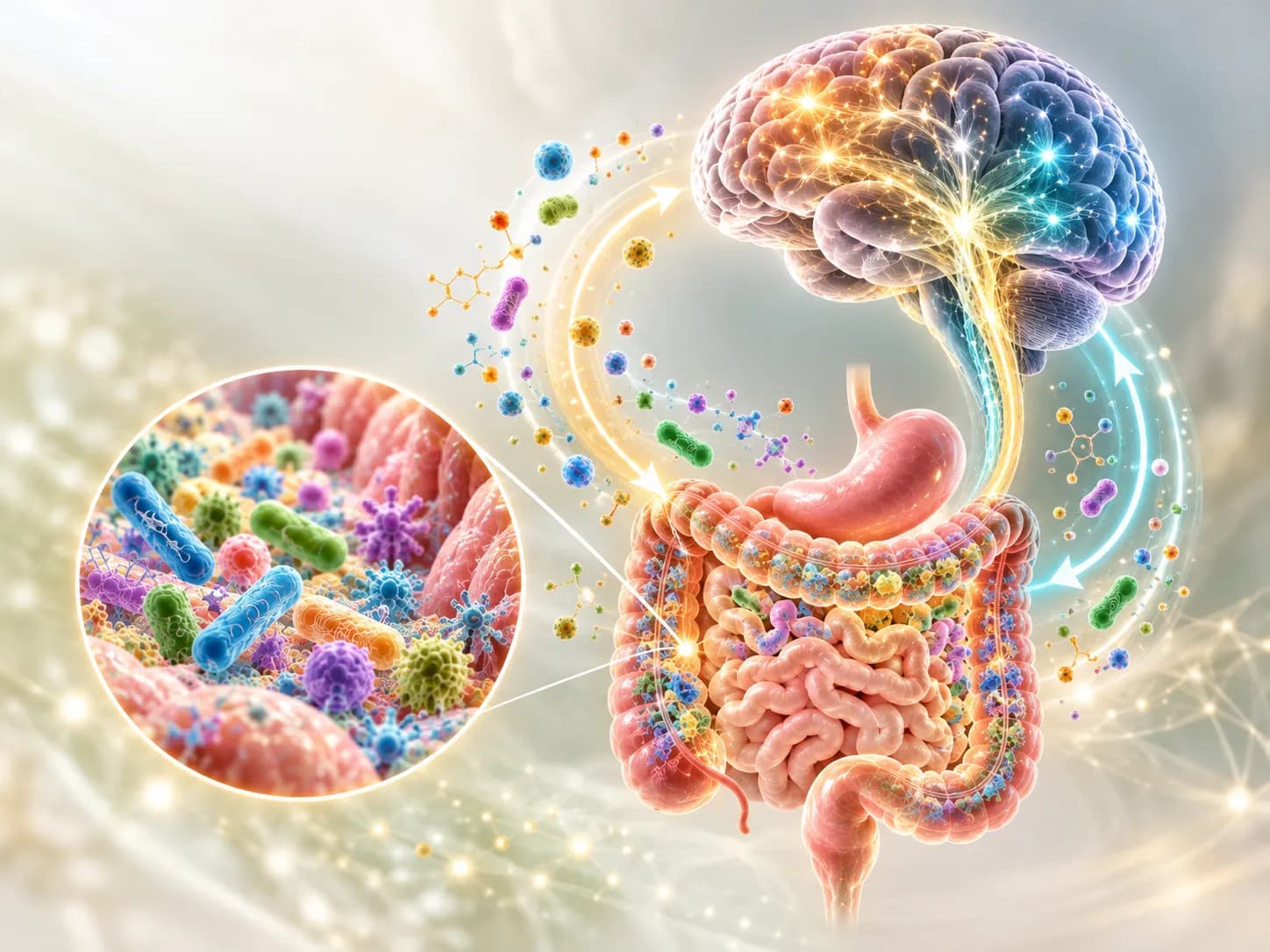
Two-way communication between the gut and the brain
The Gut–Brain Axis is the communication system between the digestive tract and the central nervous system, involving several mechanisms:
Research shows these mechanisms may be related to nervous-system function. However, this does not mean that changing the microbiome directly treats brain symptoms.
The make-up of gut microbes can change with many factors, such as
The types of food, amount of dietary fibre and variety of the diet are linked to the make-up of the microbiome.
Some medicines, especially antibiotics, may affect the make-up of gut microbes.
The microbial ecosystem changes with age and health status.
Rest, physical activity and environmental factors may be linked to gut microbes, with differing strength of evidence for each factor.

Anyone with chronic digestive symptoms, unexplained weight loss, blood in the stool or other abnormal symptoms should have a standard medical assessment. A gut microbiome test should not replace necessary diagnostic tests.
We take your health history, eating patterns, bowel habits, medication and care goals.
A stool sample is collected following the laboratory's instructions and sent for microbiome testing.
The laboratory analyses the sample to identify microbial data within the scope of the test kit.
We explain the make-up and diversity of your microbes and the limits of the results, considered with your history and other health data.
We advise on health and nutrition based on appropriate evidence, without using the results alone to decide on treatment.
Research published in Physiological Reviews and Nature Reviews Microbiology describes communication through nerves, the immune system, hormones and substances made by microbes, which may be related to brain function and behaviour.
Research in The Lancet Neurology has also reviewed links between gut microbes and several neurological conditions.
Gut microbiome assessment should therefore be considered together with health history, symptoms and other medical data, bearing in mind the limits of the testing method and of the scientific evidence.
Cryan JF, et al. (2019). The Microbiota–Gut–Brain Axis. Physiological Reviews, 99(4), 1877–2013.
Morais LH, Schreiber HL, Mazmanian SK. (2021). The Gut Microbiota–Brain Axis in Behaviour and Brain Disorders. Nature Reviews Microbiology, 19, 241–255.
Cryan JF, et al. (2020). The Gut Microbiome in Neurological Disorders. The Lancet Neurology, 19(2), 179–194.
Porcari S, et al. (2025). International Consensus Statement on Microbiome Testing in Clinical Practice. The Lancet Gastroenterology & Hepatology, 10(2), 154–167.
The results show data on the make-up and diversity of your microbes, but there is no single standard that can sum up everyone's gut health from the results alone.
There is not yet enough evidence to use gut microbiome results to identify the cause of brain fog in an individual, as the symptom may involve many factors.
There is not yet enough evidence to choose products for an individual from general microbiome results alone. Use should be based on the indications and evidence for each product.
There is currently no standard recommendation for routine testing in the general population. Whether to repeat a test depends on its purpose and indications.
At ZENITH Neuro Wellness we look at health as a whole, considering nutrition, the digestive system and other health factors together. Consult our medical team to understand the benefits and limits of gut microbiome testing and whether it suits you.