
01 Omega-3 fatty acids
Omega-3 fatty acids, especially DHA, are important components of nerve cell membranes and contribute to bodily functions. Research on supplementation to prevent cognitive decline has produced inconsistent results.
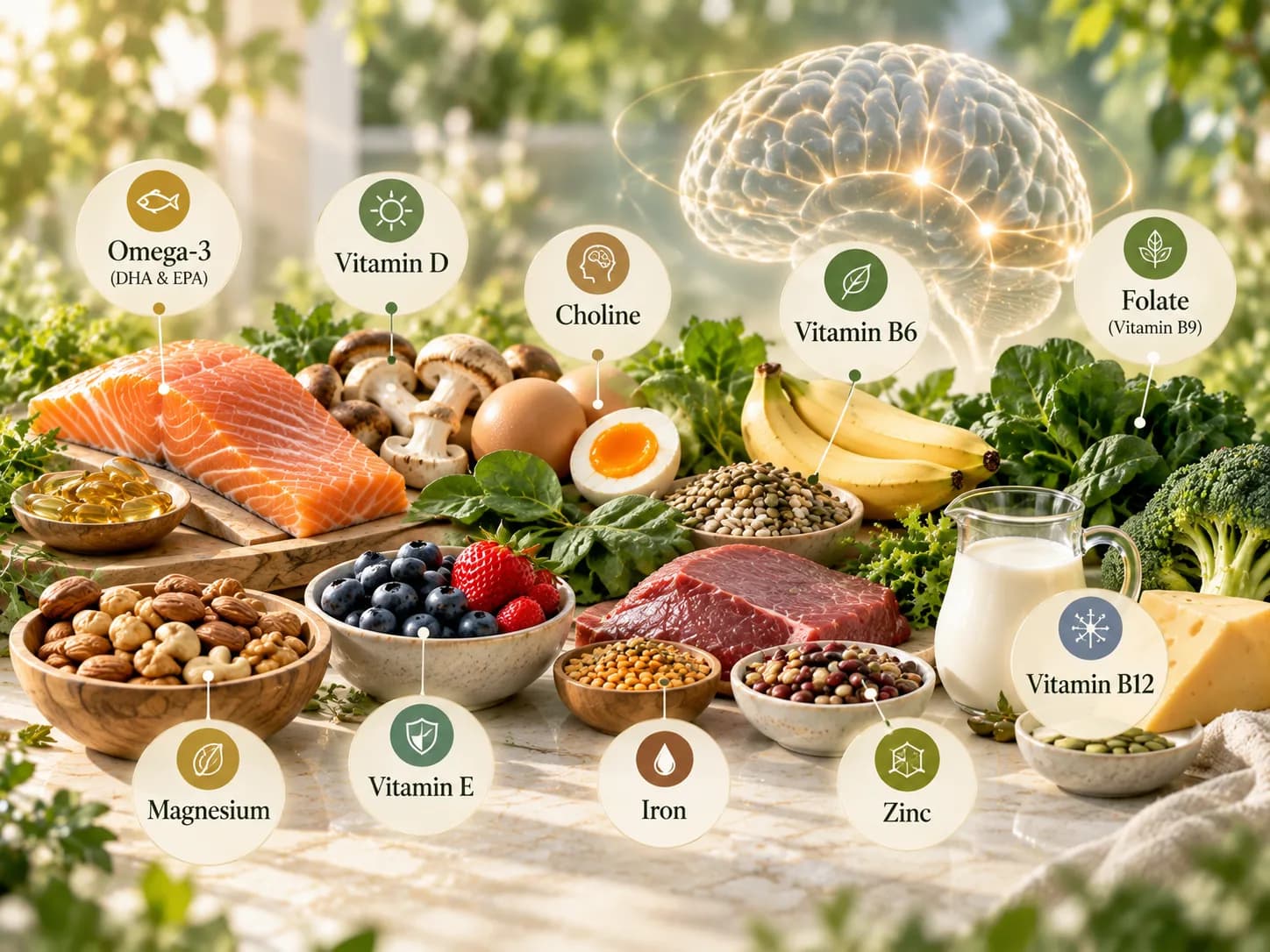
Nutrient needs and health factors differ with age, diet, sleep, stress, medical conditions and current medicines.
Many types of supplements are available, but not everyone needs them or benefits in the same way.
Appropriate care starts by assessing need before choosing a supplement.
The program assesses and plans supplement choices using individual health information, nutritional needs and goals.
Rather than choosing based on trends, it considers which products have a rationale and supporting evidence for each person.
The assessment covers:
Whether supplements are needed
An appropriate type and dose based on evidence
Safety and precautions
Interactions with current medicines
Duration and follow-up
The aim is to use supplements thoughtfully, not simply to increase the number taken.
Omega-3 fatty acids, especially DHA, are important components of nerve cell membranes and contribute to bodily functions. Research on supplementation to prevent cognitive decline has produced inconsistent results.
Gut microbes are involved in communication between the gut and brain through the nervous system, immunity and metabolites. Some probiotic strains have been studied for digestive and mental health; benefits depend on the strain, dose and study population. They do not replace treatment for neurological or mental health conditions.
B vitamins, magnesium, iron and other essential nutrients contribute to normal nervous system function and energy production. Supplementation may help when there is a deficiency or appropriate indication, but taking more without need does not guarantee better attention or memory or relief from brain fog.
Plant extracts and other nutrients are being studied for brain health, sleep and stress. Evidence quality varies between products, so safety, product quality and research limitations should be considered before use.
People taking several supplements who want to review their necessity
People with dietary restrictions or a risk of inadequate nutrient intake
People who wish to consider nutrition and lifestyle alongside brain health
People with medical conditions or taking medicines that may interact with supplements
People who want health information to inform long-term planning
An assessment does not mean that everyone will need additional supplements.
Review health history, current medicines, supplements and health goals.
Consider diet, sleep, stress and relevant test results where indicated.
Consider type, dose, duration and safety in light of health information and scientific evidence.
Monitor results and suitability, adjusting or reducing use when supplements are no longer needed.

Care informed by more than how you feel.
ZENITH Neuro Wellness considers brain health alongside nutrition, sleep, stress and lifestyle.
Supplement assessment is part of individual care that considers need, safety and scientific evidence.
Appropriate supplement use means choosing a product when needed and supported by information, not simply taking more.
Vitamins are one category of essential nutrients. Supplements are broader and may contain vitamins, minerals, fatty acids, probiotics or plant extracts.
It depends on the cause. Correcting a nutrient deficiency may help when that deficiency contributes, but no supplement has been proven to resolve brain fog in everyone.
They should be reviewed first because ingredients may overlap or interact with medicines and other supplements.
Not necessarily. Duration depends on the purpose, need and follow-up results.
Some nutrients and supplements play roles related to brain and nervous system health; benefits depend on the nutrient, health status and individual needs.
A Nutrition Reviews study found that certain probiotic formulations may benefit mood symptoms in the populations studied, while a Cochrane review found limited evidence for omega-3 supplementation in preventing cognitive decline.
Food4Me research supports tailored nutrition advice based on individual health information, but does not directly establish the effectiveness of personalized supplement selection.
Assessing health information and individual needs is central to selecting supplements appropriately and safely.
Sydenham E, et al. (2012). Omega 3 Fatty Acid for the Prevention of Cognitive Decline and Dementia. Cochrane Database of Systematic Reviews.
Asad A, et al. (2025). Effects of Prebiotics and Probiotics on Symptoms of Depression and Anxiety in Clinically Diagnosed Samples. Nutrition Reviews.
Celis-Morales C, et al. (2016). Effect of Personalized Nutrition on Health-Related Behaviour Change. International Journal of Epidemiology.
Understand your needs and consult our team about choosing supplements appropriately and safely.