
Microbial diversity
Explore the diversity and proportions of detected microorganisms to understand the gut microbial ecosystem.
Understand gut microbiome analysis and how it may inform a broader health and nutrition assessment alongside your health history and other relevant information.
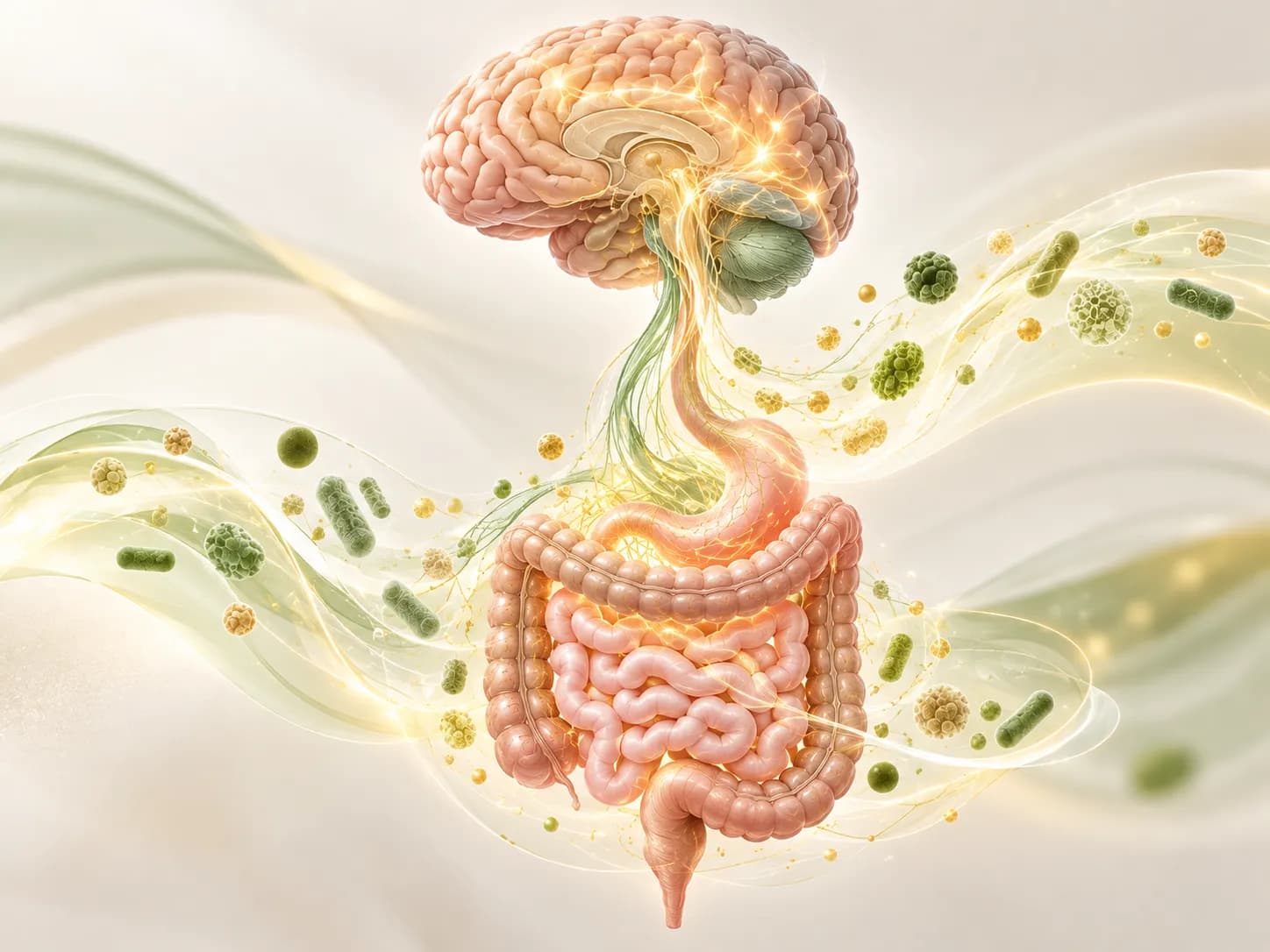
The gut does more than digest and absorb nutrients. It is home to many microorganisms that play roles in immunity, metabolism and communication between the gut and brain.
This communication, known as the gut–brain axis, involves the nervous system, hormones, immunity and substances produced by microbes.
Research suggests that gut microbes may be related to stress responses, mood and some aspects of brain function. These relationships are still being studied, and a microbiome result alone cannot diagnose a brain health concern.
Understanding gut health is one part of a comprehensive approach to brain health.
Gut microbiome analysis examines microorganisms in a stool sample. The information available depends on the laboratory’s methods and the scope of the test.
Explore the diversity and proportions of detected microorganisms to understand the gut microbial ecosystem.
Review groups of microorganisms and their relative proportions alongside health history and lifestyle.
Some microbes help digest fiber and produce metabolites such as short-chain fatty acids, which are related to gut and other body functions.
Results may provide health professionals with additional information for nutrition planning alongside a health assessment and individual needs.
The information reported depends on the laboratory’s methods and scope of analysis.
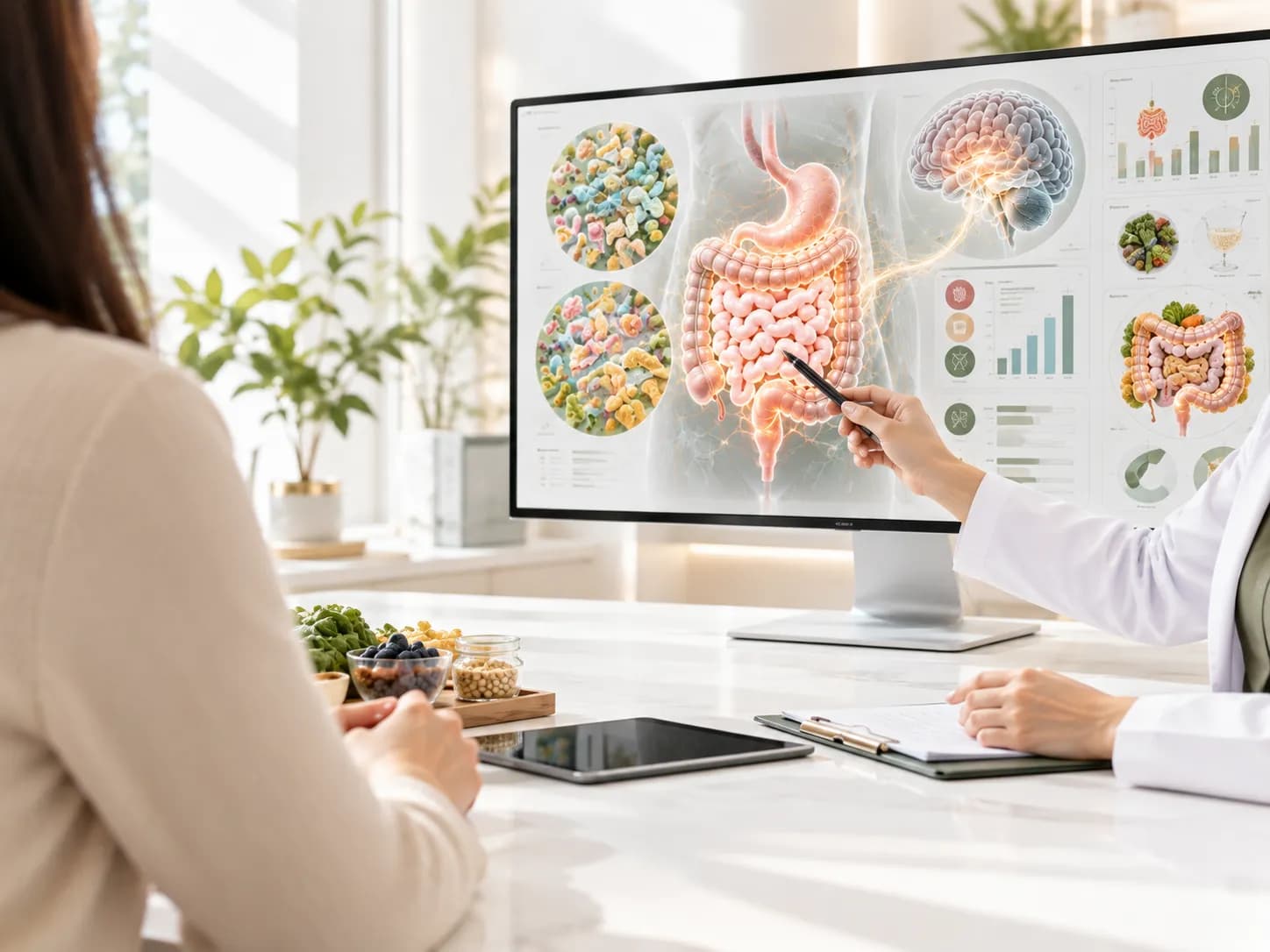
This test may be an option for people seeking more information about their health, including those interested in the relationship between gut and brain health, their digestive health and diet, nutrition and lifestyle planning, or personalized wellness.
The test is not necessary for everyone and does not replace standard diagnostic tests for digestive or neurological conditions.
Discuss health history, diet, medications, sleep and lifestyle to consider whether testing is appropriate.
Collect a stool sample according to laboratory instructions for microbiome analysis.
Review the report alongside other health information and explain the meaning and limitations of the results.
Use relevant information to plan nutrition, lifestyle changes and follow-up as needed.

ZENITH Neuro Wellness considers health from multiple perspectives, including brain health, sleep, nutrition and everyday lifestyle.
Microbiome findings can be considered alongside other health information to support an individualized plan; test results alone do not determine the approach to care.
Appropriate care starts with understanding each person’s health information.
Gut microbiome analysis generally uses a stool sample, so a blood draw is not needed for this test.
It cannot directly identify the cause. Brain fog may have many contributing factors, including sleep, stress, medication and other health conditions. Microbiome testing is only additional information in some cases.
There is currently insufficient evidence to use general microbiome testing to accurately select a probiotic for every person. Selection should consider the indication and evidence for each product.
Follow the clinic and laboratory instructions, and disclose antibiotics, probiotics, medicines and supplements you use. Do not stop medication on your own before testing.
Research describes how gut microorganisms participate in gut–brain communication through neural, immune and metabolic pathways.
Studies in Physiological Reviews and Nature Reviews Microbiology discuss possible relationships with stress responses, behavior and nervous system function.
Microbiome testing cannot directly diagnose a brain health concern or determine personalized treatment; results should be considered with other health information and the limitations of the test.
Cryan JF, et al. (2019). The Microbiota-Gut-Brain Axis. Physiological Reviews, 99(4), 1877–2013.
Morais LH, et al. (2021). The Gut Microbiota–Brain Axis in Behaviour and Brain Disorders. Nature Reviews Microbiology, 19, 241–255.
Porcari S, et al. (2025). International Consensus Statement on Microbiome Testing in Clinical Practice. The Lancet Gastroenterology & Hepatology, 10(2), 154–167.
Learn more about your health and consult our team about assessment and an appropriate individual care plan.